

The Art of Intimate Hospitality: Lessons From Harbor House Inn
Updated: Jun 26
Luxury hospitality often gets confused with scale. Many people associate it with more rooms, larger buildings, longer amenity lists, and bigger teams. Yet many of the stays people remember most come from places that do the opposite.

Just 10 guest rooms and a small 20‑seat restaurant make Harbor House Inn unique. Along California's Mendocino Coast, the inn highlights luxury through intimacy and local ties.
Travelers and hoteliers see it as proof that intimate luxury hospitality can be achieved with care.
Small Size Can Mean Better Service
Large hotels can deliver efficiency. Smaller properties can deliver recognition.
With fewer rooms to manage, service becomes way more personal. Staff have increased scope to notice details, remember who prefers what, and respond in a way that feels organic since nothing ruins the vibe faster than a canned response.
With fewer arrivals and daily requests to manage, staff can spend more time on each guest experience. This is a lot better than rushing through routines driven by volume.
People remember that feeling more than any grand lobby or oversized facility.
That is why many travelers now seek a strong boutique inn guest experience instead of standard large-hotel predictability.
Privacy Is a Luxury
Modern life feels busy and loud. For many, real luxury now means quiet, ease, and unhurried time.
Smaller inns are often built for that specific kind of stay. Fewer guests usually mean calmer shared spaces, less noise, and a more restful pace.
Harbor House Inn adds to this with ocean views, gardens, and its own cove.
The Best Details Are Often Small
Memorable hospitality rarely depends on excess. It usually comes from details that feel considered.
That might be:
A room prepared with care
Warm service at the right moment
Comfortable bedding
A meal guests talk about afterward
Spaces that feel calm and maintained
These touches stay with people longer than lengthy amenity lists.
Place Should Shape the Experience
Some hotels could be moved to another city and feel exactly the same. The best properties can't.
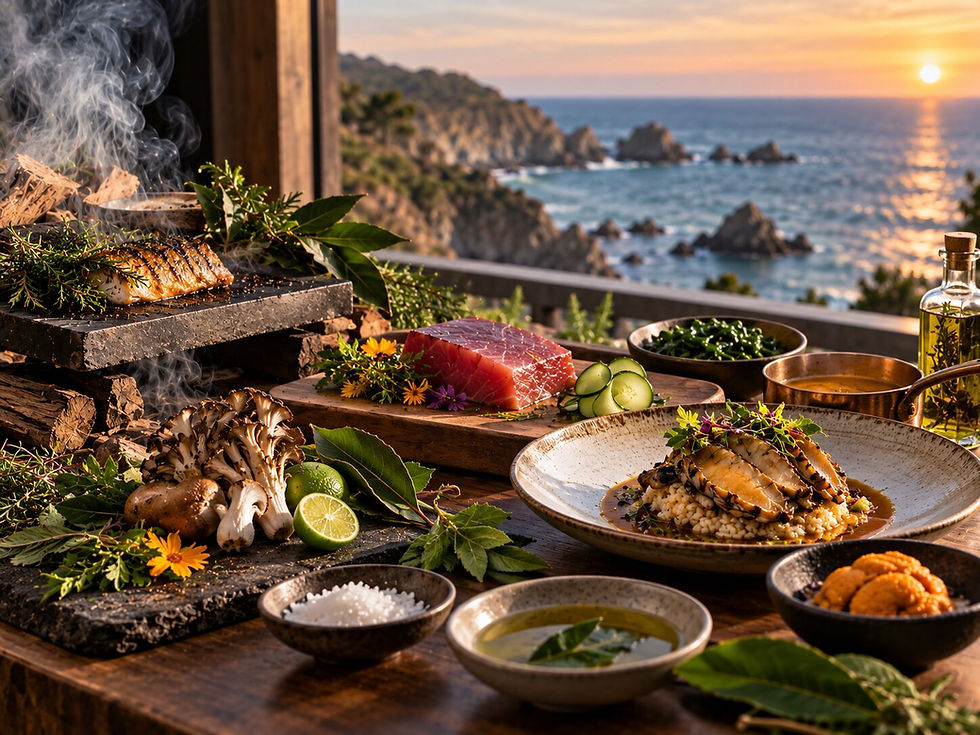
Harbor House Inn is shaped by the Northern California coast. The sea, cliffs, weather, gardens, and slower pace all influence how the stay feels.
That's a useful lesson for any small luxury hotel California operator or boutique property elsewhere. Location should be part of the guest experience, not just the address.
Dining Can Be a Defining Benefit
Dining carries more weight for intimate properties than it does at larger hotels.
A 20-seat restaurant allows for greater focus, accuracy, and consistency. It can create a stronger sense of occasion, too.
When dining stands out, the visit is richer than a simple stay. It becomes a destination experience.
Guests Increasingly Want Fewer, Better Things
Traveler preferences are changing. Most people no longer want endless options or oversized experiences. They want:
Fewer distractions
Better sleep
Better meals
Calmer surroundings
Thoughtful service
Spaces with character
This is where smaller luxury properties can stand apart.
What the Industry Can Learn
The Harbor House Inn model offers some clear lessons:
Smaller scale sharpens service
Privacy carries real value
Dining brings demand
Local identity is a memory builder
Careful detail beats grandeur
Calm keeps guests returning
Often, thoughtfulness defines luxury, not grandeur.
Final Thoughts
Hospitality is shifting. Intimate properties are becoming more relevant, not less. Adding scale is yesterday's playbook. Harbor House Inn proves that smaller hospitality often leaves the deepest impression. Guests remember the attention, atmosphere, and detail long after they leave.
FAQs
What is intimate luxury hospitality?
Hospitality here means privacy, attention, and intimate, small‑scale experiences.
Why do travelers pick boutique inns?
Boutique inns attract those who want calm, individuality, and attentive service.
Do small luxury hotels stand a chance against large resorts?
Yes. Competition comes not from size but from service, privacy, dining, design, and memory‑making.
Why does location matter for hotels?
A strong location helps create an emotional connection and gives guests a stay they can't replicate elsewhere.
Is Harbor House Inn good for a romantic couples retreat?
Yes. With only 11 rooms and cottages, ocean-view decks, fireplaces, and a private cove, Harbor House Inn in Elk is an intimate, adults-focused retreat (guests must be 15 or older) ideal for couples.
Is Harbor House Inn a good babymoon destination?
Its quiet setting, limited cell reception, intimate scale, and on-site fine dining make it a calm, disconnect-focused choice for a California coast babymoon.



Comments