

Renewable Energy and Remote Hospitality: Running a Luxury Inn Off Clean Power
Updated: Jul 7
Guests Rarely Book A Stay Because Of Energy
In all our years of hospitality, we've never had someone call and say they wanted a room because of the power source behind the property.
People book for the coastline. They book for the quiet. They book for dinner reservations, anniversaries, birthdays, and long weekends away from home. They book because they want to wake up near the ocean and spend a few days somewhere that feels different from everyday life.
Yet something interesting has changed over the past several years.
Guests still arrive for those reasons, but many leave asking questions they never would have asked a decade ago. They want to know where ingredients come from. They ask how waste is handled. Some ask whether electric vehicles can be charged on site. Others want to understand how a property balances luxury with environmental responsibility.
Five or six years ago, those conversations were relatively uncommon. Today, they're part of everyday hospitality.
That shift has changed how we think about operating Harbor House Inn. It has also reinforced something we've believed for a long time. The future of hospitality isn't about choosing between comfort and responsibility. It's about figuring out how both can exist together.
Running A Remote Inn Is Different Than Running A City Hotel
People often assume hospitality challenges are mostly about guest service.
Guest service is certainly important, but much of the work happens behind the scenes.
A remote coastal property operates differently than a hotel in the middle of a major city. If a guest room needs hot water, the system needs to work immediately. If a refrigerator storing ingredients for dinner service fails, there isn't always a nearby solution. Weather conditions can shift quickly along the coast. Supply deliveries may involve long drives. Infrastructure matters in ways many travelers never see.
We've learned that remote hospitality rewards preparation.
One thing we've noticed over the years is that guests rarely think about operational systems when everything works properly. That's actually the goal. Nobody should spend a weekend getaway worrying about energy infrastructure, utility systems, or equipment performance.
Still, those systems support every part of the guest experience. That reality is one reason renewable energy hospitality has become increasingly relevant across the industry.
Why Sustainability Conversations Have Changed
We hear a concern often from travelers who care about environmental issues.
They worry that sustainability means giving something up.
Maybe they'll have fewer amenities. Maybe comfort will be reduced. Maybe luxury and environmental responsibility are moving in opposite directions.
Our experience has been very different.
We've found that most guests don't want less. They want better decisions.
Years ago, luxury hospitality was often associated with excess. Bigger spaces, more consumption, and more resources were frequently viewed as signs of quality. Today's travelers often evaluate things differently.
A guest might spend more time asking where food was sourced than asking about thread count. Another guest may want to know whether the property supports local environmental initiatives. We've even had travelers ask about charging their vehicle before asking about check in times.
Those questions reflect a broader change in consumer behavior. They also explain why sustainable luxury hospitality has become an increasingly important part of modern travel.
What Guests Actually Notice
One mistake hospitality operators sometimes make is assuming guests pay attention to the same things we do.
They usually don't.
Guests rarely notice energy efficient systems. They rarely comment on operational upgrades. They probably won't mention infrastructure investments in an online review.
What they do notice is consistency.
The room feels comfortable. Dinner service runs smoothly. The property feels well-maintained. Everything functions the way it should.
That's why creating a clean energy hotel experience isn't really about drawing attention to sustainability efforts. It's about integrating those efforts into everyday operations without disrupting the guest experience.
The best systems often go unnoticed.
The Relationship Between Hospitality And Renewable Energy
One thing we've learned from operating along the coast is that hospitality depends heavily on place.
If guests stopped caring about the Mendocino coastline, the forests, the wildlife, and the ocean views, our industry would look very different.
People travel here because they value the environment surrounding them.
That creates a responsibility.
When discussions around renewable energy California continue to expand, hospitality businesses have a natural reason to participate. The places travelers visit today need to remain healthy and attractive years from now.
We've seen travelers become far more aware of this connection. Some guests specifically seek businesses aligned with environmental values. Others don't mention sustainability at all, but they appreciate seeing thoughtful decisions reflected throughout their stay.
The Growing Importance Of Sustainable Hotel Operations
A hospitality property never really stops operating.
Guests sleep, but refrigeration systems continue running. Water heating systems remain active. Equipment, lighting, communications, and food service operations continue functioning around the clock.
That constant activity means small operational improvements can create meaningful results over time.
We've found that successful sustainable hotel operations rarely involve one dramatic change. Instead, progress usually comes from hundreds of smaller decisions made consistently.
A purchasing decision here. An efficiency upgrade there. A better process for managing resources. Improved equipment. More thoughtful planning.
None of these actions generate headlines, but together they influence how a property functions over the long term.
Water Often Matters More Than People Realize
Energy receives a great deal of attention, but water deserves just as much discussion.
We've noticed that many guests become interested in water management after spending time in California, especially during periods when drought receives significant media coverage.
Running a property responsibly requires paying attention to consumption patterns.
A successful water conservation hotel strategy isn't about asking guests to sacrifice comfort. It's about identifying smarter ways to manage resources while maintaining high standards.
We've seen this approach resonate with travelers who care about environmental responsibility but still expect a premium experience.
Most guests don't want lectures about sustainability.
They want confidence that thoughtful decisions are being made.
What Travelers Ask About Today
The questions we receive today would have sounded unusual several years ago.
Guests routinely ask about electric vehicles. They ask about food sourcing. They ask about waste
reduction. They ask about environmental initiatives.
The rise of electric vehicle ownership provides a good example.
Not long ago, EV related conversations were relatively rare. Today, EV charging stations hotel availability frequently appears during reservation inquiries. Travelers planning road trips often map their routes around charging infrastructure long before they leave home.
We've watched those travel patterns evolve in real time.
Hospitality businesses have to evolve alongside them.
Dining Often Starts Sustainability Conversations
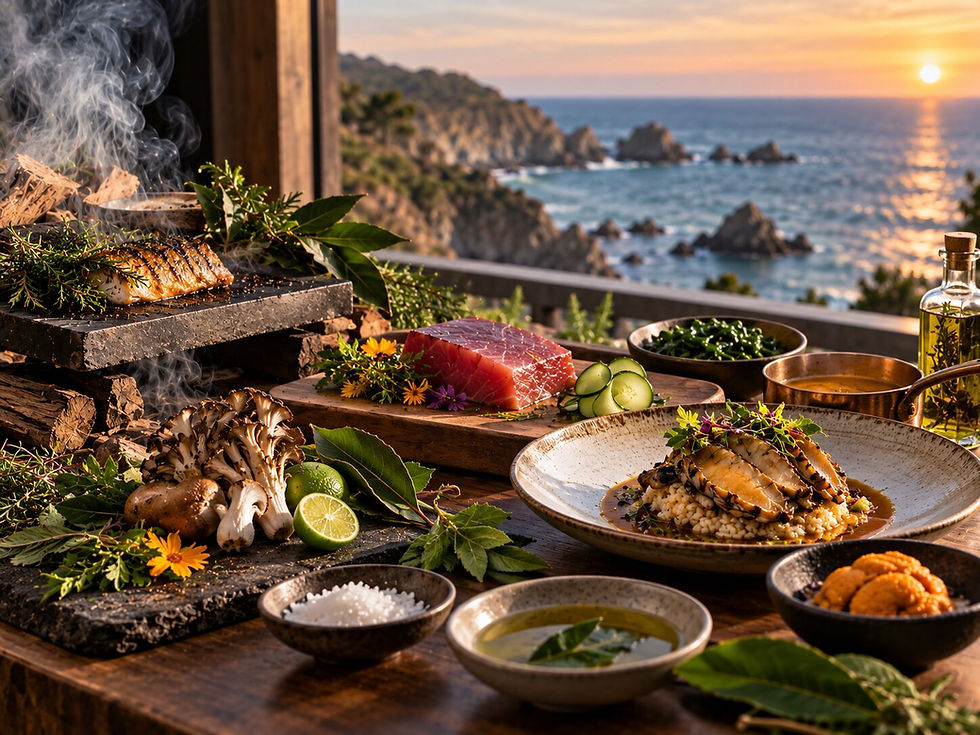
Many guests first encounter our environmental philosophy through food.
People naturally ask questions during meals.
Where was this ingredient grown? How far did it travel? Who produced it? How is waste handled?
These conversations happen regularly.
As a property associated with a Michelin Green Star restaurant, discussions surrounding sourcing, stewardship, and resource management often emerge naturally during dinner service.
Interestingly, we've found that food provides one of the easiest ways for guests to connect with larger sustainability topics. Everyone understands food. Everyone has personal experiences related to it. That makes broader discussions feel more accessible.
The Rise Of Eco Conscious Hospitality
We've read thousands of guest reviews over the years.
One pattern continues to stand out.
Travelers increasingly want their spending decisions to reflect their personal values.
That doesn't mean every guest arrives searching for environmental certifications. Most don't.
What it does mean is that travelers appreciate businesses making genuine efforts to operate responsibly.
The growth of eco-conscious hospitality reflects that change.
People pay attention to how businesses behave. They notice whether sustainability feels authentic or simply promotional. They recognize when environmental commitments influence real operational decisions.
Authenticity matters.
Guests are remarkably good at identifying the difference.
Why Renewable Energy Tourism Continues To Grow
Travel motivations are changing.
We've welcomed travelers who selected destinations specifically because of sustainability initiatives. We've also hosted guests who built entire California road trips around businesses aligned with environmental values.
That trend helps explain the growth of renewable energy tourism and increasing interest in sustainable travel experiences.
Travelers still want beautiful locations and memorable experiences. Those priorities haven't disappeared.
What has changed is the number of people asking how those experiences are created.
The process matters more than it once did.
Looking At The Future Of Hospitality
We continue to see hospitality moving toward greater transparency.
Guests want more information than previous generations did. They research businesses before booking. They compare values alongside amenities. They read reviews carefully. They pay attention to environmental commitments.
That's especially true among travelers interested in eco luxury accommodations and businesses focused on luxury hospitality sustainability.
We've found that modern luxury increasingly revolves around intention. Guests appreciate quality, but they also appreciate knowing that quality wasn't achieved through unnecessary waste or excessive consumption.
That shift has influenced everything from dining to transportation to energy planning.
The Operational Side Of A Sustainable Luxury Inn
Running a sustainable luxury inn involves balancing competing priorities every day.
Guests expect comfort. They expect reliability. They expect exceptional hospitality.
At the same time, responsible operators must consider resource use, long term environmental impacts, and opportunities for improvement.
Organizations such as Sonoma Clean Power continue to play important roles in conversations surrounding energy and sustainability throughout California. Partnerships, infrastructure improvements, operational adjustments, and ongoing evaluation all contribute to progress.
None of this work happens overnight.
Most meaningful improvements occur gradually.
What We Continue To See
We've welcomed guests celebrating anniversaries, milestone birthdays, engagements, retirement trips, and ordinary weekends away from home. Some arrive specifically interested in responsible tourism California and broader conversations surrounding Mendocino Coast sustainability. Others never mention sustainability during their stay.
What's interesting is that both groups often leave with similar impressions.
They remember a property that felt connected to its surroundings. They remember thoughtful hospitality. They remember experiences that felt genuine rather than manufactured.
Years later, returning guests rarely ask how much energy we saved or which operational improvements were implemented during a particular season. Instead, they talk about how the property felt. They remember walking the coastline before dinner. They remember conversations over breakfast. They remember feeling comfortable knowing that environmental responsibility was being treated as part of the experience rather than an afterthought.
That's ultimately where we see the future of the renewable energy hotel model heading. Not toward making sustainability the center of every conversation, but toward making it such a natural part of hospitality that guests simply expect it to be there, quietly supporting everything else.
FAQs
Why is renewable energy important in hospitality?
Renewable energy matters in hospitality because the places travelers love depend on the environment staying healthy. At Harbor House Inn on the Mendocino Coast, guests come for the coastline, the forests, the wildlife, and the ocean views, and that creates a responsibility to protect what surrounds the property. A hospitality property never stops operating, so thoughtful energy choices made consistently help keep a destination beautiful and attractive for years to come. Increasingly, travelers also want to understand how their experiences are created, not just enjoy them.
How do hotels use renewable energy?
Hotels rely on energy around the clock, since refrigeration, water heating, lighting, communications, and food service keep running even while guests sleep. Because that activity is constant, small operational improvements add up to meaningful results over time. At Harbor House Inn, sustainable operation rarely comes from one dramatic change; it comes from hundreds of smaller decisions made consistently, from efficiency upgrades to smarter resource management. The aim is to integrate these systems so seamlessly that the guest experience stays comfortable and uninterrupted.
What challenges do remote hospitality properties face?
Remote hospitality properties face challenges that city hotels rarely deal with, most of them behind the scenes. A remote coastal inn needs systems that work immediately: hot water on demand, reliable refrigeration for dinner service, and infrastructure that holds up when coastal weather shifts quickly. Supply deliveries can involve long drives, and nearby solutions aren't always available when equipment fails. At Harbor House Inn, this is why remote hospitality rewards preparation, so guests can enjoy a getaway without ever thinking about the systems supporting it.
How does Harbor House Inn support sustainability?
Harbor House Inn approaches sustainability as a natural part of hospitality rather than a marketing message, treating environmental responsibility as part of the experience instead of an afterthought. Much of the work happens quietly through consistent operational decisions, resource management, and a close connection to the surrounding Mendocino landscape. As a property associated with a MICHELIN Green Star restaurant, conversations about sourcing, stewardship, and resource management emerge naturally, especially during dinner service, where guests often first encounter the inn's environmental philosophy through food.
What is a Michelin Green Star restaurant?
A MICHELIN Green Star is a distinction awarded by the MICHELIN Guide to restaurants recognized for their commitment to sustainability, sourcing, and environmental stewardship. Harbor House Inn is associated with a MICHELIN Green Star restaurant, and that recognition often sparks natural conversations with guests about where ingredients come from and how resources are managed. Because the connection between the food and the surrounding coastline is visible on the plate, guests tend to notice it themselves rather than needing it explained.
Can luxury hospitality be environmentally responsible?
Yes, luxury hospitality and environmental responsibility can exist together, and at Harbor House Inn we've found the future of hospitality isn't about choosing between comfort and responsibility but about how both can coexist. Many travelers worry sustainability means giving something up, yet our experience is the opposite: guests don't want less, they want better decisions. Modern luxury increasingly revolves around intention, where quality matters but so does knowing it wasn't achieved through unnecessary waste or excessive consumption.
Why do travelers choose sustainable accommodations?
Travelers increasingly choose sustainable accommodations because they want their spending decisions to reflect their personal values. This doesn't mean every guest arrives searching for environmental certifications; most don't. What it means is that travelers appreciate businesses making genuine efforts to operate responsibly, and they're remarkably good at telling the difference between authentic commitment and promotion. At Harbor House Inn, some guests specifically seek out values-aligned businesses, while others never mention sustainability but still appreciate seeing thoughtful decisions reflected throughout their stay.
How does renewable energy improve hotel operations?
Renewable energy and efficiency improvements strengthen hotel operations by supporting the systems that run continuously behind the scenes. Because a property never stops operating, consistent upgrades to equipment, efficiency, and resource management produce meaningful results over time. At Harbor House Inn, the best systems often go unnoticed; what guests actually notice is consistency, a comfortable room, smooth dinner service, and a well-maintained property where everything functions as it should. Responsible operation and a premium guest experience reinforce each other rather than compete.
Why choose an eco-friendly luxury hotel for a summer vacation?
Eco-friendly luxury hotels let travelers enjoy exceptional comfort while minimizing their environmental impact. Properties that prioritize renewable energy, local sourcing, and sustainable operations, such as Harbor House Inn, offer a more responsible way to experience luxury travel.



Comments